
Why Your 'Winter-Proof' Vinyl is a Lie

We’ve all been there: you step outside in your favorite leather boots, only to realize the sidewalk has turned into a salty, gray wasteland. A common piece of advice often floats around the fashion and outdoor forums, and something that I found under the post on Instagram where I wear leather in the show is: "Be aware of leather with snow. Fake or vinyl holds up better.”
On the surface, it sounds like common sense. But as someone who believes in quality over clutter and the discipline of care, I have to tell you that advice is a total myth.
Is synthetic really the winter king, or is leather just misunderstood? Let’s dive into the breakdown and why choosing real leather is a radical act of sustainability.
The Allure of the "Fake"
The argument for vinyl (PVC) or "vegan leather" usually comes down to one word: impermeability.
Waterproof by Nature: Plastics don’t have pores. Water and salt sit on the surface like they’re on a raincoat.
Low Maintenance: You can wipe off road salt with a damp paper towel and go about your day.
Cheap to Replace: If the salt eventually eats through them, it’s a lot less painful to toss a 50 Eur pair of boots than a 300 Eur heritage pair.
But here is the catch: That "disposable" mindset is exactly what kills your style and the planet.
I was standing in the biting mountain air, waiting for the train. In the mountains, the cold doesn't care how you look; it only cares if you're ready.
Next to me stood a man in shiny, black synthetic boots. They looked perfect, uniform, sleek, and brand new. But as the wind picked up, I saw him struggling. He was shuffling uncomfortably, his feet looking stiff and trapped.
I looked down at my own feet. I was wearing my old, reliable leather boots. They were dark and rich from the beeswax rubbed into them a few weeks ago.
As the temperature dropped, the difference was obvious. The cold had turned his plastic boots into a hard cage. They were stiff and brittle. Every time he moved, I could see the material straining and turning white at the creases, ready to crack. He was fighting the weather.
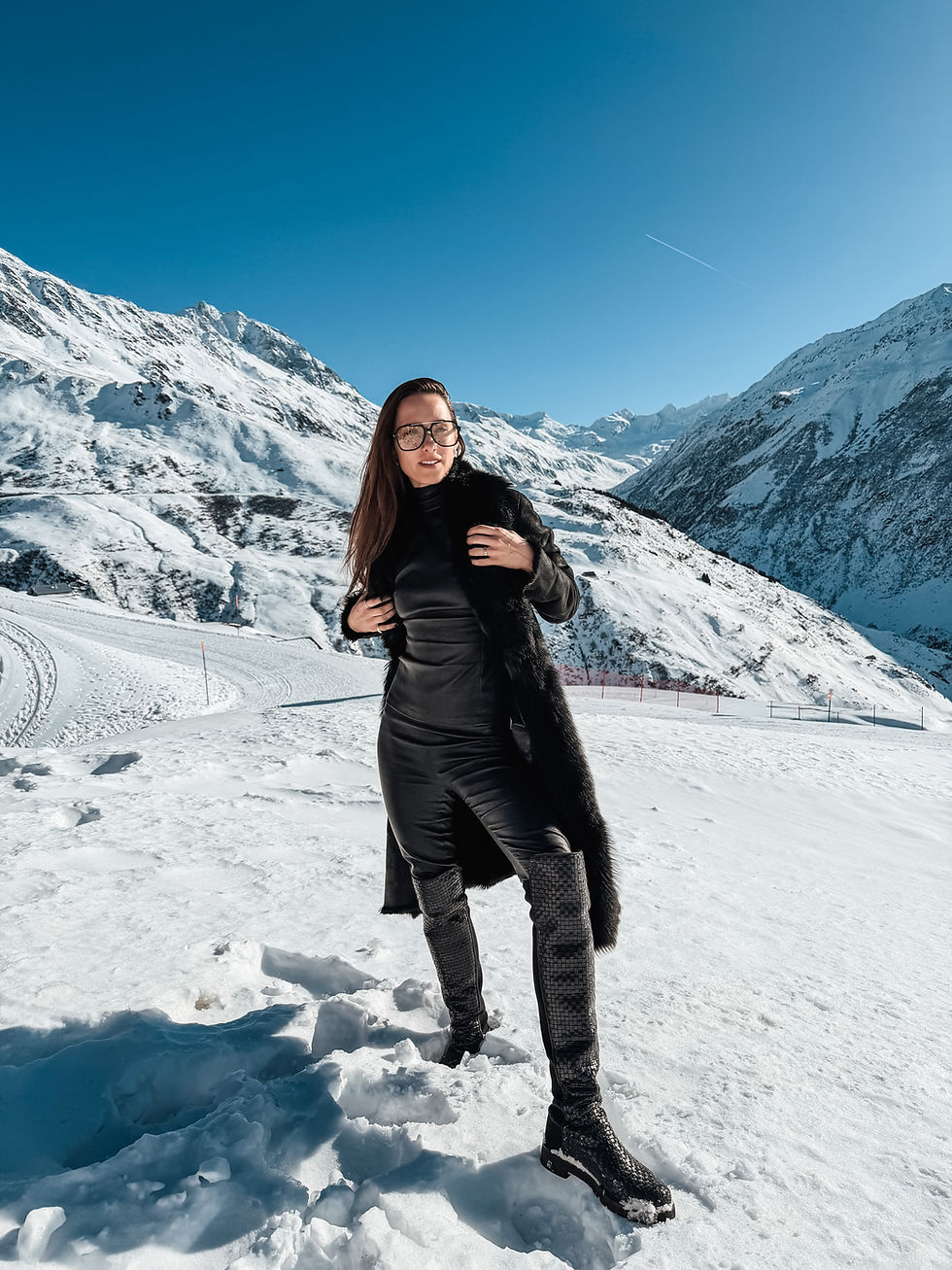
My boots felt like a second skin. They stayed warm and flexible, moving with me instead of against me. They didn't just survive the snow; they belonged in it.
In that quiet, freezing moment, I realized something important: He was waiting for his boots to fail. He was already prepared to throw them away and buy another cheap pair. I was standing in a piece of my own history, boots that had carried me through three cities and a dozen storms.
That morning wasn't just about shoes. It was about the discipline of care. It was about the peace you feel when you trust things that are built to last.
The Hidden Trap: Cold & Cracks
While vinyl might keep the water out, it has a fatal flaw in freezing temperatures: brittleness. Synthetics don’t breathe, and more importantly, they don't handle the cold well. When the mercury drops, vinyl stiffens. As you walk, the material cracks at the flex points (where your toes bend).
Once a synthetic boot cracks, it’s game over. You can’t "condition" plastic. It goes straight to the landfill.
The Case for the Real: Resilience in the Skin
Leather is a skin. Like your own skin, it is incredibly tough, flexible, and alive. If you take untreated suede into a blizzard, yes, you’re asking for trouble. But high-quality, treated leather has survived centuries of winters for a reason.
True Durability: Leather won't crack in the cold; it remains supple and moves with you.
The Power of Repair: Scratches can be buffed. Salt stains can be neutralized. Leather has a "memory" and a history.
The Wind Barrier: Real leather provides a natural thermal barrier that thin plastic just can't match.
The Deni_C Golden Rule: Leather isn't "bad" for snow; unprotected leather is.
The Ritual: How to Winter-Proof Your Resolve
If you choose the path of quality, you can’t just "wing it." You need a barrier. This is where the Mindful Self-Care Loop comes in. Caring for your boots is an act of respecting your investment.
Wax is Your Best Friend: Use a heavy paraffin or beeswax barrier (like Sno-Seal). It makes water bead off like magic.
The Salt Flush: If you see white lines, wipe them immediately. Salt is a thief, it steals moisture from the leather, leaving it shrunken and sad.
The 24-Hour Rule: Never wear the same leather boots two days in a row. They need a day to breathe and dry naturally (keep them away from the heater!).
The Verdict: Choose the Patina, Not the Plastic
The forums are partially right: Synthetics are lower maintenance for the casual commuter who wants to stay "numb" to their gear.
There is a profound, quiet pleasure in stepping into a well-traveled boot that has been nurtured through the storms. A cracked plastic boot is merely discarded debris; a weathered, supple leather boot is a testament to your journey. It is the mark of a person who moves through the world with unwavering intention.
Ready to Stop Settling for "Disposable"?
If you’re tired of living a life that feels brittle and temporary, whether it’s the gear you wear or the intimacy you share, it’s time to choose a different path.
Stop waiting for things to break and start investing in what lasts. If you are ready to reclaim your strength and move through the world with total intention, let’s get to work. Book a High-Impact Session with me and let’s build something that stands the test of time.


Leather is always the right choice — in every way.